vtdigger Friday August 21, 2026
A photography exhibition at the post office in Morristown, Vermont, was recently removed after complaints that the artwork was too political. Morrisville arts organization River Arts removed the exhibit, which featured photographs of protesters at the village’s four-way intersection, some of whom have been gathering there nearly every Friday since the death of George Floyd in 2020, notes VT Digger. Olea Smith-Caland, a Morristown resident, took the photographs earlier this year. At the time, she was enrolled in an iPhone photography class taught a group that seeks to enhance the well-being of older adults in the area. Read the full Story >>
Santa Fe New Mexican Friday August 21, 2026
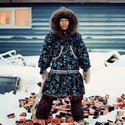
Spanning generations and multiple Indigenous societies and nations from the 19th century to today, the book In Light and Shadow: A Photographic History from Indigenous America traces the visual importance of Indigenous photographers, notes The Guardian, which has an excerpt. The oldest photo in the exhibition dates to ca. 1896-1905 and was taken by Cherokee photographer Jennie Fields Ross Cobb (1881-1959)), adds the Santa Fe New Mexican. There’s an accompanying exhibition at Santa Fe’s Obscura gallery through Sept. 26. Read the full Story >>
Nieman Lab Friday August 21, 2026
Despite a newsy summer — including the Iran War and the FIFA World Cup — The New York Times recently reported that subscription sales were slower than expected during the second quarter of 2026. Times CEO Meredith Kopit Levien attributed the weaker sales, in part, to the decline of search traffic. Kopit Levien also emphasized that “long-term bets” on video are essential to the company’s continued success, notes Nieman Lab. “We’re now producing thousands of new videos each quarter to reach the enormous audience,” Kopit Levien said, Read the full Story >>
KUER Friday August 21, 2026
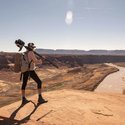
Lake Powell, one the nation’s largest reservoirs, is drying up: Water levels in the lake fell to 3,519.91 feet above sea level on Aug. 12, a record low. That’s bad news for the millions of people who depend on the Colorado River system for water and electricity. But as KUER notes, photographer Dawn Kish sees an upside: As the reservoir retreats, the red rock walls of Glen Canyon are reemerging allowing Kish and others to view the grandeur of a landscape that vanished with the building of the Glen Canyon Dam in the 1960s. Read the full Story >>